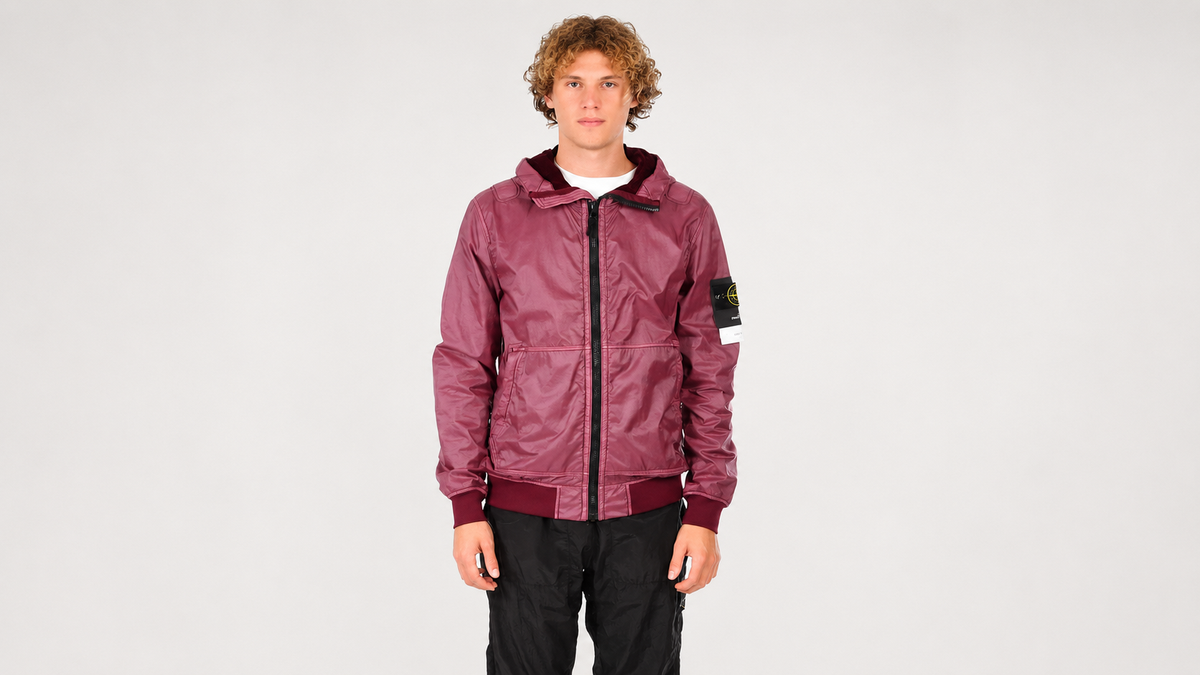
Garment Dyeing at Stone Island
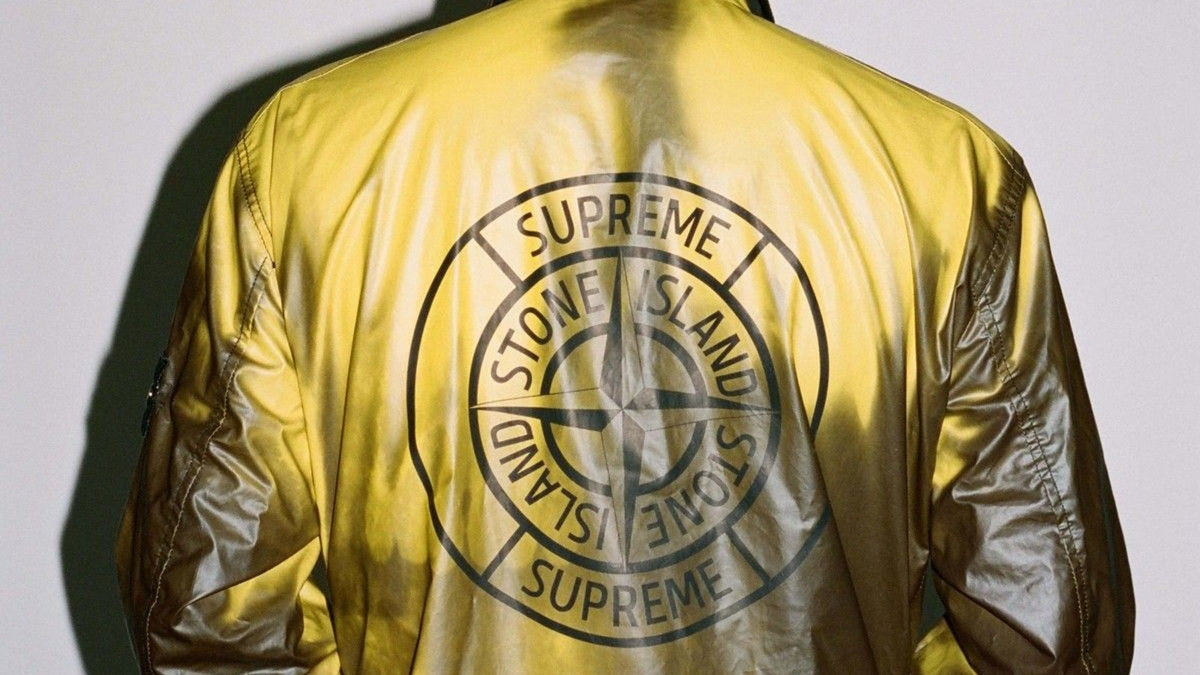
Why are two Stone Island garments of the same colour never exactly identical? The answer comes down to two words: garment dyeing. This technique, which the brand has mastered like no other, has been its true signature since 1982. Here is how it works and why it changes everything.
What is garment dyeing?

In conventional textile manufacturing, the fabric is dyed first, then the garment is cut and assembled. Garment dyeing — teinture en pièce in French, tinto in capo in Italian — completely reverses the process: the garment is first made up from undyed materials, then fully immersed in the dye bath, seams, pockets and zips included.
This process, more complex and riskier, demands perfect mastery: each material absorbs colour differently, and the slightest variation in temperature or timing changes the result.
Why Stone Island made it its signature
From the very first collection in 1982, cut from the famous Tela Stella canvas, the garments were garment dyed. Massimo Osti, the brand's founder, saw this technique as a way of obtaining colours impossible to produce otherwise: deep, slightly irregular shades, with a lived-in look straight out of the factory. This 'fabric first' approach lies at the heart of the brand's whole story, which we tell in the history of Stone Island.
Since then, the brand has pushed the process ever further, applying it to materials thought impossible to dye this way: coated nylons, metallic fabrics, technical knits… These exceptional materials are presented in our guide to Stone Island fabrics and technical innovations, and the models made from them in our guide to Stone Island's technical pieces.
What it changes on the garment in practice
- Every piece is unique: shades vary slightly from one garment to the next, even within the same series.
- Deep, vibrant colours: the dye permeates the entire garment, with a dense result that conventional dyeing cannot match.
- Elegant ageing: the colour evolves with time and washing, giving the pieces a patina prized by connoisseurs.
- Telltale details: seams and finishings take on the colour of the bath, a clue that enthusiasts know how to spot.
A valuable clue for spotting a genuine piece
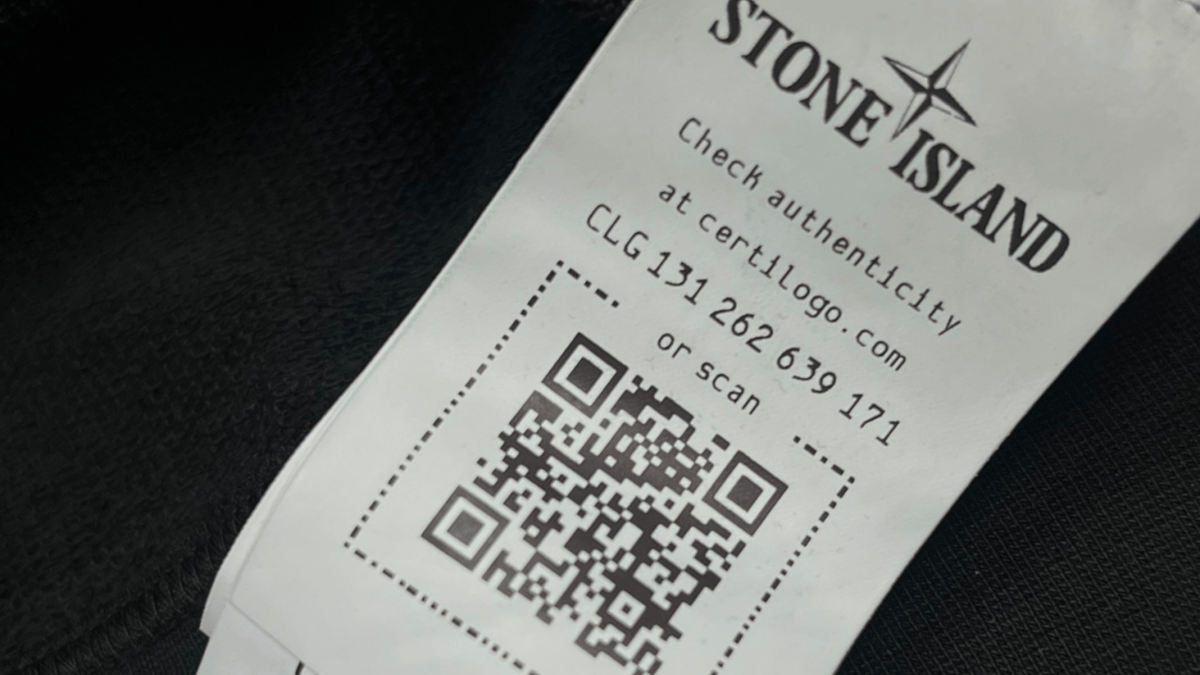
These characteristics also make garment dyeing an ally in authentication: colour that is too uniform, seams that clash or a fabric lacking depth should arouse suspicion. The quality of the dyeing is one of the points we check during the authentication process for every piece at NB08.
How do you care for a garment-dyed piece?
A few simple habits are enough to preserve the colour: wash cold or at a low temperature, inside out, with similar colours; avoid the tumble dryer and ironing directly over coatings; and always follow the care label, as each material has its own requirements. A slight change in shade over time is normal — it is even the charm of garment dyeing.
Frequently asked questions
Why isn't my Stone Island garment exactly the same colour as in the photos?
It is the direct effect of garment dyeing: each garment absorbs the colour in its own way. Slight variations in shade are normal and are precisely what guarantees the piece's unique character.
Will the colour fade in the wash?
The shade evolves slightly over time; it is a characteristic of the process. A gentle cold wash, inside out, preserves the depth of the colour for as long as possible.
Is garment dyeing exclusive to Stone Island?
No, other brands use it, but Stone Island has made it its signature and applies it to technical materials that few others know how to garment dye. It is one of the reasons for its reputation.
Discover garment-dyed pieces at NB08
The best way to appreciate garment dyeing is still to wear it: browse our full Stone Island selection, both new and authenticated pre-owned — including our jackets, sweatshirts and polo shirts.