Decoding Moncler Labels and Codes
The labels and codes of a Moncler are a mine of information: they let you verify the authenticity of the piece, identify the model and sometimes trace its production season. You still need to know how to read them. QR code, hologram, serial number, inside label: this guide decodes each element to help you buy with confidence, especially pre-owned.
Why are Moncler labels so important?
Moncler is one of the most counterfeited brands in the world. To protect its customers, the house has steadily added security features to its labels over the years. Knowing how to examine them is now the number one reflex before any purchase: a genuine labelling system is consistent, meticulous and hard to imitate perfectly. Conversely, a blurred, badly sewn or inconsistent label is an immediate warning sign.
This article complements our guide to recognising a genuine Moncler, focusing specifically on how to read the codes.
The main label (collar or inside)

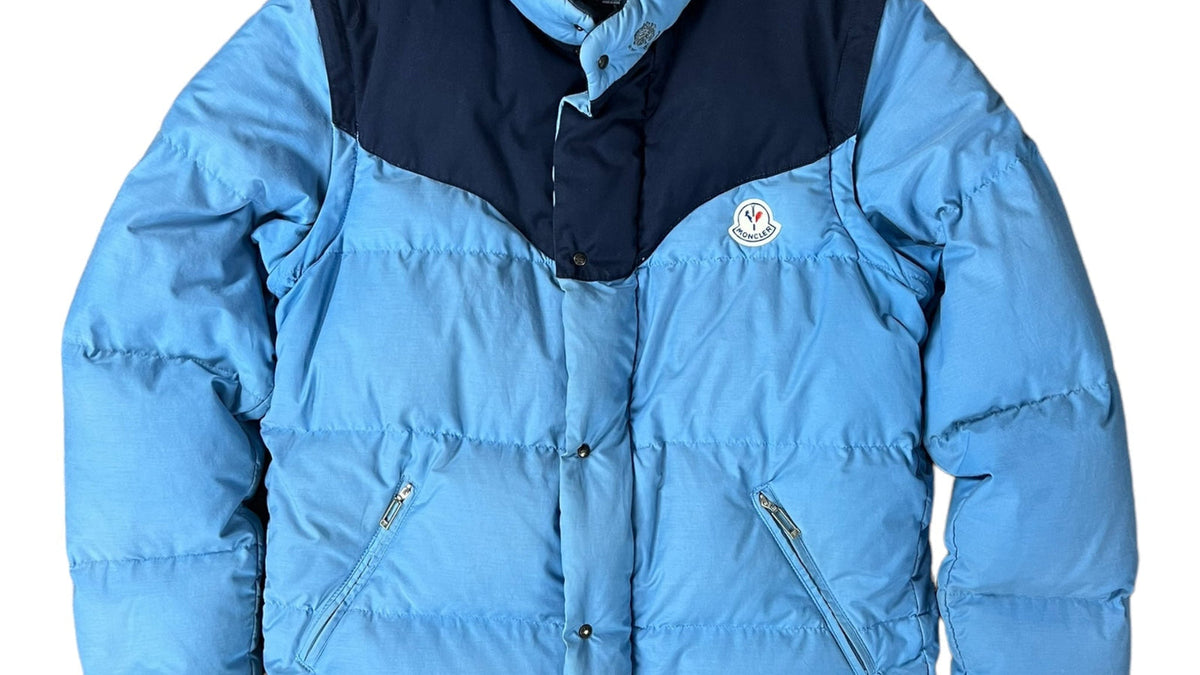
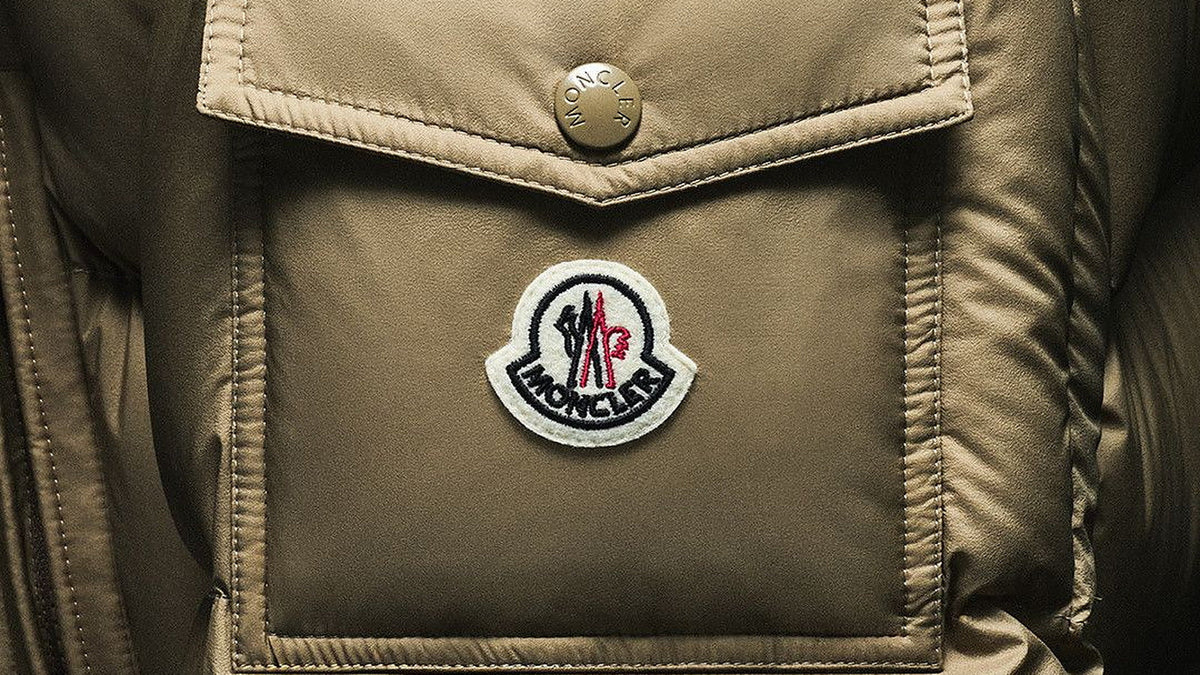
The first label to examine is the brand label, usually sewn into the collar or inside the piece. It should feature a crisp, perfectly centred Moncler logo, even stitching and high-quality weaving. The typography is precise: no smudging, no misshapen letters. On counterfeits, this is often where the flaws appear first — loose threads, a slightly off-centre logo, an approximate font.
To get to know the logo and its variations, see our dedicated article on the Moncler logo and how to authenticate it.
The security hologram

For several years now, Moncler has incorporated a security hologram on its labels. This hologram changes appearance depending on the viewing angle and displays the brand name. It is one of the hardest elements for counterfeiters to reproduce. A dull, static hologram that does not react to light, or whose print looks flat, should immediately arouse suspicion.
The QR code and the authentication system
Recent Moncler pieces feature a QR code and a unique identification system. When scanned, this code leads to the brand's official verification system and confirms the authenticity and details of the piece. Be careful, though: counterfeiters sometimes reproduce fake QR codes that lead to imitation websites. The scan should always end up on Moncler's official domain — be wary of a dubious URL or a poorly designed page.
The serial number and model code
Inside the piece, a label usually carries a serial number as well as a code identifying the model. These references make it possible to identify the piece precisely: its name, its line, sometimes its production season. On an authentic piece, these codes are consistent with the actual model — a number that matches no known reference, or that is identical on several pieces that are supposed to be different, gives a copy away. To identify a model, use our article on the iconic Moncler models.
The printed “map” lining (comic-strip-style pattern)

A detail many people are unaware of: some Moncler down jackets hide, on the inside, a lining entirely printed with a graphic pattern — often an illustrated-looking topographic map of mountains, sometimes mistaken for a comic strip. It is not merely aesthetic: this printed fabric is an authentication marker in its own right. On a genuine piece, the print is sharp, the colours are clear, and the design is aligned and regular across the entire surface, with no smudging or blurred areas.
On a counterfeit, this pattern is precisely one of the hardest elements to copy faithfully: smudged or pixelated print, dull or wrong colours, a misaligned pattern, inconsistent matching at the seams. Also remember to check that the lining is consistent with the model in question: not all pieces have one, and a print present where it should not be (or vice versa) should raise suspicion. It is an excellent additional checkpoint, as it often escapes the attention of copyists focused on the logo and the label.
The composition and care label
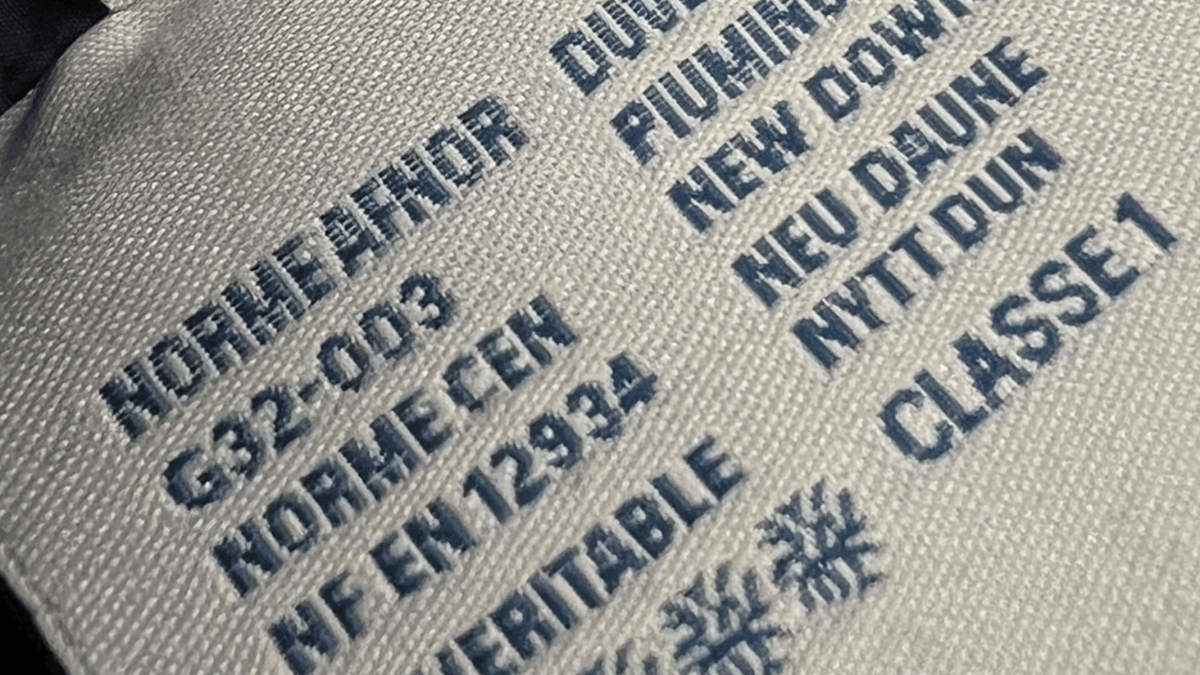
The composition label states the materials (nylon, down, feathers) and the washing instructions. On a genuine Moncler, it is cleanly written, in several languages, with no spelling mistakes or approximate translations. The details count: the print quality, the precision of the care symbols and the consistency of the information are all clues. A vague composition, or one riddled with mistakes, is suspicious.
This information is also useful for care: you will find all our advice in the Moncler care guide.
Identifying the line from the label
The label also tells you which line the piece belongs to. A specific patch or mention, for example, distinguishes Moncler Grenoble pieces (the technical line) from the main line. This is key information, as it affects the nature of the piece and its resale value. To fully understand this distinction, read our comparison Moncler Grenoble vs the main line.
The warning signs to remember
In short, several elements on a Moncler label should put you on alert:
- A blurred or off-centre logo, or approximate typography.
- A dull hologram that does not react to light.
- A QR code that leads to an unofficial website.
- A printed lining that is smudged, pixelated or dull in colour.
- Uneven stitching or loose threads.
- Spelling mistakes or a dubious translation.
- A serial number that is inconsistent with the model.
Taken in isolation, a single detail is not always enough to reach a conclusion; it is the overall consistency that makes the difference.
Buying Moncler with confidence
Decoding labels takes experience. At NB08, every Moncler piece is checked and authenticated in our boutique by our team: labels, codes and holograms are systematically verified according to our authentication process. You can therefore buy with peace of mind, new or pre-owned.
Before buying, also remember to check the size with our Moncler size guide, and for the right reflexes when buying pre-owned, see our article Pre-owned Moncler.
Discover our authenticated Moncler pieces
Looking for a verified piece? Browse our Moncler collection and our Moncler down jackets, both new and authenticated pre-owned — every piece is checked, its labels verified and its condition precisely described.